Schools
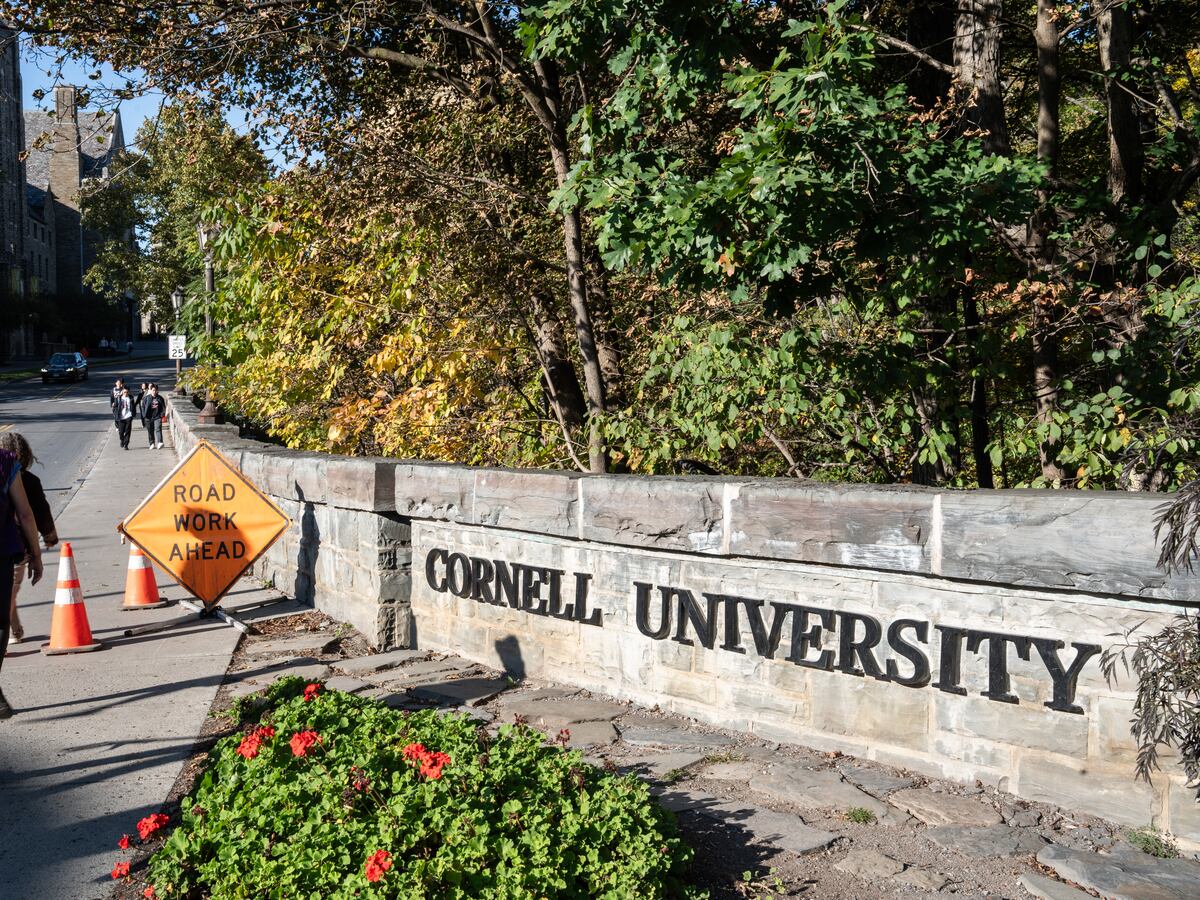
Cornell faculty vote ‘no confidence’ in university leadership after alleged fraternity gang rape
By Katherine Langford
Advertisement · Why this ad?
Marcus manages the day-to-day editorial workflow across all brands, coordinating coverage assignments and ensuring editorial standards are met. He previously served as city editor at the Pioneer Press and holds a degree in Political Science from Carleton College.
More from Marcus →
Just days after Michigan voters overwhelmingly approved Proposal 2, aimed at curbing the influence of money in politics, legal challenges have emerged, threatening to delay or potentially overturn the measure. The lawsuits, filed by the Mackinac Center for Public Policy and a coalition of energy companies—CMS Energy, Consumers Energy, and DTE—argue that the proposal infringes upon First Amendment rights. While the initiative passed with over 80% of the vote, its future hangs in the balance as it faces scrutiny in federal court. This moment highlights a deep-seated tension in American democracy: the desire for fair elections versus concerns about restricting free speech, a conflict that has played out repeatedly across the nation and within Michigan itself. The passage of Proposal 2 also underscores a familiar pattern: the immediate legal challenges that often greet significant campaign finance reforms, reflecting the vested interests that benefit from the status quo.
Proposal 2, formally known as the “Michiganders for Money Out of Politics” initiative, seeks to restrict campaign spending from regulated electric and gas utilities, contractors with over $250,000 annually in government contracts, and individuals or organizations with significant ties to those entities. The measure is scheduled to take effect by December 3, 2026, unless a court intervenes. This move reflects a growing concern among many citizens about the outsized influence of special interests in elections and the potential for corruption. The proposal’s passage follows a long history of grassroots activism and advocacy for campaign finance reform in Michigan. Groups like Common Cause Michigan and the League of Women Voters have been pushing for stricter regulations for decades, arguing that the current system disproportionately favors wealthy donors and corporations, effectively silencing the voices of ordinary citizens. The effort gained significant momentum in recent years, fueled by frustration over the perceived revolving door between state government and powerful industries, and a desire to level the playing field for candidates who lack access to deep-pocketed donors. The initiative’s success demonstrates the power of citizen-led movements to challenge entrenched political interests and shape policy outcomes.
The legal challenges were filed in the Western District of Michigan federal court, immediately following Tuesday's election. The Mackinac Center’s lawsuit asserts that Proposal 2 is “an alarming and far-reaching law” that violates the First Amendment. The center specifically challenges the sections related to “Electioneering Communications” and “Campaign Expenditures,” claiming the law’s definitions are overly broad and create an environment where organizations risk violating the law simply by engaging in public communication. The Mackinac Center, founded in 1983, is a well-known free-market think tank that frequently advocates for limited government intervention and deregulation. They have a history of challenging regulations they perceive as infringing on economic freedom, and their involvement in this lawsuit underscores the ideological divide surrounding campaign finance reform, with proponents arguing it's necessary to protect democracy and opponents viewing it as an infringement on free speech. The Center's arguments often echo broader concerns about government overreach and the potential for regulations to stifle innovation and economic growth.
“Mackinac has no way of determining which of its public communications will qualify as supporting, promoting, attacking, or opposing a candidate or ballot question under Proposal 2,” the lawsuit states. “Mackinac will thus be required to either refrain from speech that could fit these vague standards or face the burdensome reporting requirements that apply to political committees.” The Mackinac Center argues that these restrictions create a “chilling effect” on free speech and association, potentially leading to fines or even jail time for discussing politicians, policy, or elections. Patrick J. Wright, vice president of the Mackinac Center Legal Foundation, stated in a press release, that the lawsuit aims to “protect free speech and open debate and to prevent giving partisans a nasty tool that can be used to criminally punish their opponents for daring to speak their minds.” This sentiment reflects a broader concern among some that campaign finance regulations can be weaponized to silence political opposition, particularly those with dissenting viewpoints.
The lawsuit filed by CMS, Consumers, and DTE takes a different approach, arguing that Proposal 2 constitutes “speaker-based viewpoint discrimination” by specifically targeting utility companies and their employees. They contend that even if the law is considered neutral, it fails to meet the legal standard for limiting campaign contributions, which requires demonstrating “preventing quid pro quo corruption or its appearance.” Michigan's utilities, particularly CMS Energy and Consumers Energy, have historically wielded significant influence in state politics, often lobbying for policies that benefit their bottom lines. The lawsuit’s claim of viewpoint discrimination highlights the argument that the proposal unfairly singles out these companies based on their policy positions, rather than addressing a broader problem of campaign finance. For decades, these companies have contributed heavily to political campaigns and lobbying efforts, shaping energy policy in ways that often prioritize corporate profits over public interest.
Lawyers for the utility companies assert there's no evidence of such corruption in Michigan's utility sector, adding that the organizations behind the MMOP ballot measure have “regularly opposed Michigan’s utilities” on policy issues. This points to a deeper conflict – the MMOP campaign’s vocal opposition to utility projects and policies, such as the controversial Line 5 pipeline – which opponents argue demonstrates a partisan motivation behind the proposal. Samuel Bagenstos, a University of Michigan law professor and lawyer for the ballot measure, expressed confidence in its legal defense. He noted that new campaign finance laws frequently face legal challenges, but that Proposal 2 was carefully drafted with existing judicial decisions in mind. Maura Cowley, campaign manager for Michiganders for Money Out of Politics, dismissed the lawsuits as expected, stating that the corporations opposing the measure were “gearing up” for legal action. She expressed confidence that Proposal 2 would withstand legal scrutiny and reaffirmed the mandate from voters who overwhelmingly supported it.
The passage of Proposal 2 represents a significant shift in Michigan’s campaign finance landscape, reflecting a desire among voters to limit the influence of large corporations and special interests. The initiative’s potential impact extends beyond just elections; it could reshape the relationship between state government and powerful industries, potentially leading to more equitable policy decisions. The legal challenges, however, highlight the ongoing battle between those seeking to regulate campaign finance and those who argue such regulations infringe upon free speech rights. This debate is not new; similar challenges have been mounted against campaign finance reforms across the country, often resulting in protracted legal battles that reach the Supreme Court. The Supreme Court's interpretation of campaign finance laws, particularly in the wake of *Citizens United v. Federal Election Commission*, has significantly shaped the landscape of political spending and continues to be a source of contention.
The legal challenges underscore a broader national debate about the role of money in politics and the limits of free speech when it comes to campaign finance. Similar ballot measures and legal battles have occurred in other states, highlighting the complexity of balancing these competing interests. The outcome of these lawsuits will likely have implications for campaign finance laws across the country, potentially influencing future efforts to reform campaign finance regulations.
The timing of the lawsuits is significant, as they could delay or even prevent the implementation of Proposal 2 while the legal challenges are resolved. This uncertainty creates a climate of confusion for both candidates and organizations seeking to comply with the new regulations. The courts will now be tasked with weighing the First Amendment rights of corporations and individuals against the public’s interest in a fair and transparent election process. The delay itself could significantly impact upcoming elections, potentially allowing existing campaign finance practices to continue unchecked until the legal challenges are resolved.
The legal challenges to Proposal 2 underscore the ongoing struggle to balance free speech rights with the need for a fair and transparent electoral process. The outcome of these cases will have far-reaching implications for Michigan’s democracy and could influence similar efforts across the country. As the legal battle unfolds, it is crucial for residents to remain informed and engaged in the debate. The fight for a more equitable and representative democracy is a continuous process, requiring ongoing vigilance and advocacy.
By Katherine Langford

By Marcus Chen

By Marcus Chen

By Katherine Langford